
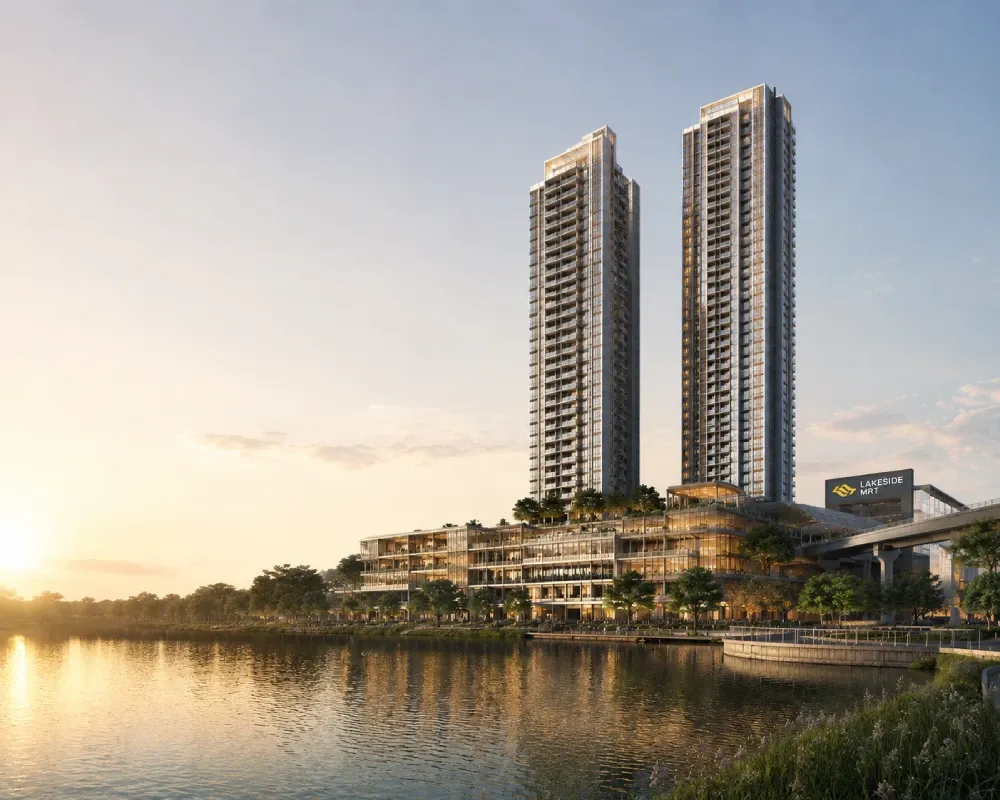
Buying a home in Singapore requires making a fundamental choice between freehold and leasehold properties. This decision shapes your financial commitment, exit strategy, and legacy planning. With several highly anticipated projects on the horizon, buyers are closely monitoring market updates. For instance, tracking the official Lucerne Grand launch date helps investors time their entry into the premium residential market. While freehold units promise ownership in perpetuity, 99-year leasehold developments often present lower entry barriers and superior rental yields. Understanding how these two tenure types perform over time is essential for making an informed real estate investment. This guide breaks down the critical differences to help you select the right property.
Understanding the Basics of Freehold and Leasehold Tenures
Perpetual Ownership vs. Defined Leases
To build a solid investment foundation, you must grasp what these tenures actually mean under Singapore land law. Freehold properties grant the owner indefinite ownership of the land. This tenure remains highly coveted because it passes down through generations without depreciating to zero. On the other hand, leasehold properties—typically 99-year or 999-year leases—return to the state once the lease expires.
Location and Convenience Factors
Many buyers assume freehold is always superior, but the reality is more nuanced. Leasehold developments are frequently located near major transport hubs, MRT stations, and commercial centers. This prime positioning often translates to higher rental demand and immediate convenience. Developers are currently gearing up for major releases, and buyers are tracking the Thomson Reserve launch date to secure units in upcoming transit-oriented developments.
Conversely, freehold developments are often tucked away in quieter, low-density landed enclaves. While they offer peace and long-term security, they may require a longer commute to major commercial nodes. Furthermore, freehold projects tend to carry a 10% to 15% price premium over comparable leasehold units in the same district. This price gap means buyers must weigh the immediate cost of capital against long-term asset preservation.
Financial Considerations and Valuation Curves
The Impact of Bala’s Curve
The financial trajectory of freehold and leasehold properties diverges significantly over time. This divergence is best illustrated by the Bala’s Table, a valuation curve used by land surveyors and financial institutions. According to this metric, a leasehold property retains its value relatively well during the first 30 years. However, once the lease crosses the 60-year mark, the rate of depreciation accelerates.
Financing and CPF Restrictions
As a leasehold property ages, securing bank loans becomes increasingly difficult for subsequent buyers. Most financial institutions in Singapore restrict loan-to-value ratios if the remaining lease cannot cover the youngest buyer up to the age of 95. Central Provident Fund (CPF) usage also becomes restricted under these conditions. These financing hurdles naturally shrink the pool of potential buyers, depressing the resale value.
Freehold properties do not face these financing restrictions, making them highly liquid assets even after several decades. Investors who prioritize generational wealth transfer often favor these assets. If you want to acquire a premium freehold asset, keeping an eye on the Lucerne Grand launch date is an excellent strategy to secure early-bird developer pricing. Buying during the launch phase maximizes your capital appreciation potential, as developers typically raise prices as more units are sold.
Capital Appreciation and Rental Yield Dynamics
Short-Term Gains and Yields
When analyzing historical transaction data in Singapore, leasehold properties often outperform freehold counterparts in capital appreciation during the early years. Because leasehold units have a lower initial purchase price, their percentage growth can be highly impressive during the first ten to fifteen years. This makes them ideal for buyers focused on short-to-medium-term gains.
Additionally, leasehold condos generally yield higher rental returns. Tenants do not care about the underlying land tenure; they care about location, amenities, and proximity to work. Since leasehold properties cost less to acquire but command similar market rentals as nearby freehold units, their gross rental yield is mathematically superior. Investors looking to maximize monthly cash flow often target highly anticipated leasehold projects. For example, keeping tabs on the Lucerne Grand launch date allows yield-focused buyers to enter a growing residential hub at competitive entry prices.
Long-Term Stability
In contrast, freehold properties are long-term plays. Their capital appreciation curve is slower but steadier. They act as a haven during economic downturns, holding their value much better than leaseholds. If your investment horizon is twenty years or longer, the stability of a freehold property outweighs the higher initial rental yields of a leasehold alternative.
Estate Regeneration and En Bloc Potential
The Mechanics of Collective Sales
The potential for collective sale, or en bloc, is another critical factor separating these two tenures. For a leasehold development, an en bloc sale becomes a vital lifeline as the lease decays. However, developers bidding for leasehold en bloc sites must pay a premium to the Singapore Land Authority to top up the lease back to 99 years. This extra cost can make leasehold en bloc deals less attractive to developers during market downturns.
Freehold properties hold a distinct advantage here. Developers do not need to pay lease topping-up fees, making older freehold estates highly attractive targets for redevelopment. When a freehold estate undergoes a successful collective sale, owners often receive a significant payout that exceeds the market value of their individual units.
Strategic Market Timing
To capitalize on these market movements, smart buyers monitor new project timelines closely. Knowing the Lucerne Grand launch date helps buyers compare new freehold options against older resale properties that might have en bloc potential. Similarly, tracking the Lucerne Grand launch date provides a benchmark for leasehold pricing in suburban regions. Ultimately, understanding how land tenure affects redevelopment potential ensures that your capital remains active and protected against depreciation.
Conclusion
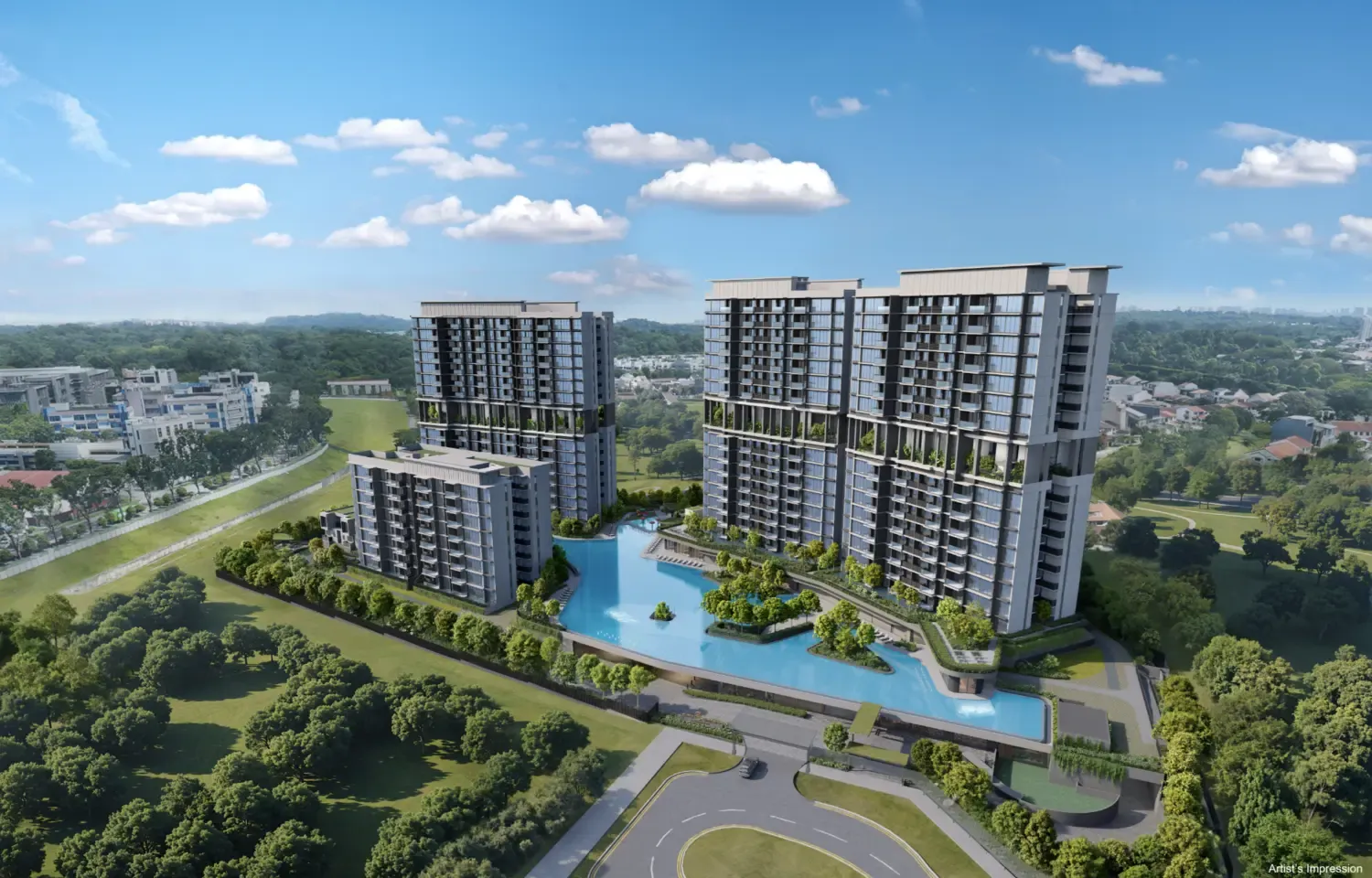
Choosing between a freehold and a leasehold condo in Singapore ultimately depends on your financial objectives, investment horizon, and family planning goals. Leasehold properties offer lower entry prices, excellent rental yields, and convenient locations, making them ideal for short-to-medium-term investors. Freehold properties provide unmatched peace of mind, stable long-term capital preservation, and a legacy to pass down to future generations. By analyzing upcoming market opportunities and understanding the financial implications of each tenure, you can make a decision that aligns with your portfolio. Take the time to assess your cash flow, calculate your holding period, and select the property type that best secures your financial future in Singapore’s dynamic real estate market.