
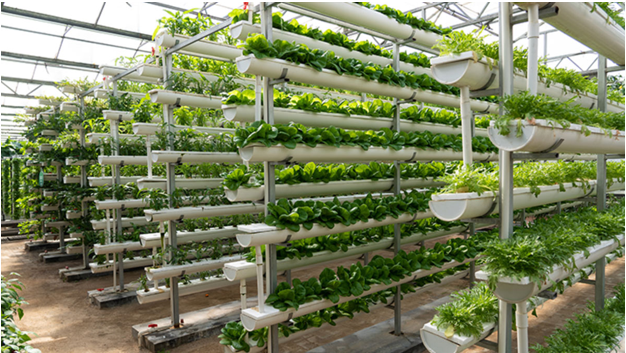
A useful hydroponic feeding plan should help growers make consistent decisions without forcing every plant into the same weekly formula. Plants do not respond according to a calendar alone. Root development, water quality, light intensity, temperature, humidity, system design, and cultivar behavior can all influence how much nutrition a plant can use at a particular time.
Reliable use of cannabis hydroponics nutrients therefore depends on observing plant development rather than copying a chart without adjustment. A schedule can provide direction, but the condition of the roots, leaves, and reservoir should determine whether the next change is actually needed.
Build the Schedule Around Growth Stages
A stage-based plan is generally more useful than one organized only by week numbers. Two plants may have been growing for the same length of time but still have different nutritional needs. One may have a larger root system, while another may be recovering from transplanting or environmental stress.
The main stages to consider are root establishment, early vegetative development, later vegetative growth, flowering transition, active flowering, and final maturation. Each stage has a different purpose, so adjustments should reflect what the plant is doing rather than what the calendar says it should be doing.
Keep the Rooting Stage Simple
Recently rooted or transplanted clones need time to settle into the hydroponic system. Their root systems may not yet be ready to use a concentrated solution efficiently. Strong feeding during this period can create stress before active growth begins.
The priority should be a stable root environment, suitable oxygenation, moderate lighting, and a carefully prepared base solution. The grower should monitor whether the roots remain healthy and whether new growth begins without severe discoloration, curling, or slowed development.
It is usually better to begin conservatively and make small adjustments after the plant shows steady progress. Product instructions should remain the main reference because nutrient formulas can vary significantly.
Respond to Early Vegetative Growth
Once roots are established, the plant normally begins producing leaves, branches, and stronger stems more actively. Water use may increase, and the reservoir may require more frequent observation.
During this phase, the feeding plan should support steady vegetative growth without pushing concentration too quickly. The grower can compare new growth, leaf color, root appearance, and reservoir behavior before changing the solution.
A plant that is developing normally does not need constant intervention. When new leaves appear healthy, and the roots remain clean, gradual progression is usually safer than making large increases simply because another week has passed.
Prepare for Stronger Vegetative Demand
As the plant grows larger, it develops more foliage and may use water and dissolved nutrients more quickly. This is the stage when the feeding plan can become more responsive to plant size and environmental demand.
Lighting intensity, airflow, humidity, and temperature all influence uptake. A larger plant under strong light may behave differently from one growing in a cooler or less intense environment, even when both are at a similar stage.
A schedule for hydroponic nutrients for weed should therefore function as a guide that is adjusted according to recorded plant response. Repeating measurements under similar conditions creates a more useful picture than relying on one isolated reading.
Use Reservoir Movement as Information
The reservoir provides important clues about how the system is functioning. Changes in water level, pH, conductivity, temperature, and root appearance can show whether the solution remains stable.
When the water level falls, the grower should observe whether the concentration rises, falls, or stays similar. These patterns may indicate whether the plant is removing water and dissolved material at approximately the same rate.
Meters should be cleaned, stored, and calibrated according to their instructions. Poorly maintained equipment can produce misleading readings and lead to unnecessary corrections.
Manage the Transition Carefully
The move from vegetative growth into flowering is a major change, but the nutrient program should not be switched aggressively in one step. Plants may continue stretching and building structure during the early transition period.
The grower should introduce the next stage of the base program according to the manufacturer’s recommendations while continuing to monitor root health, water use, and leaf response. Sudden changes in feeding, lighting, and environment at the same time can make problems difficult to diagnose.
A controlled transition allows the grower to identify whether the plant is responding to nutrition or to another change in the room.
Avoid Treating One Number as a Target
Published concentration ranges can vary because products, meters, water sources, systems, and cultivars are different. A number that works in one setup may be too strong or too weak in another.
The goal should not be to reach the highest possible reading. The goal is to maintain healthy development without signs of excessive concentration, imbalance, or root stress.
Leaf-tip damage, unusually dark foliage, curling, slowed growth, or changes in root condition may suggest that the current program should be reviewed. These signs should be considered together rather than interpreted in isolation.
Keep Flowering Adjustments Gradual
During active flowering, plant demand may change as development progresses. However, adding multiple boosters or making large concentration increases can complicate the program.
A complete base formula should remain the foundation. Optional products should be introduced only when the grower understands their purpose and how they interact with the existing solution.
Adding one product at a time makes it easier to identify the cause of any change. A crowded feeding schedule may look advanced, but it often makes troubleshooting more difficult.
Reduce Inputs Based on Plant Response
As the cycle approaches completion, the plant may use water and nutrition differently. The grower should continue monitoring the reservoir rather than following an automatic reduction date.
Any decrease should be gradual and based on the product program, plant condition, and cultivation method. Abrupt changes can create unnecessary stress, while continuing a strong feeding level without observation may make the reservoir increasingly difficult to manage.
Keep the System Clean Throughout the Cycle
A feeding plan cannot compensate for poor sanitation. Reservoirs, pumps, tubing, air stones, trays, and other components should be inspected regularly for residue, blockage, leaks, odor, or unwanted growth.
Root-zone problems may produce symptoms that resemble nutrient deficiencies. Before adding more fertilizer, the grower should check oxygenation, water temperature, equipment operation, and root condition.
Clean tools and consistent maintenance make the feeding program easier to evaluate because fewer hidden variables are affecting plant response.
Record Each Meaningful Change
A useful log can include the date, plant stage, water source, reservoir volume, solution strength, pH, temperature, environmental conditions, and visible plant response.
Photographs taken from a similar position and under similar lighting can also reveal gradual changes. These records allow the grower to compare one stage with another and identify which adjustments were helpful.
Over time, the schedule becomes specific to the grower’s system rather than remaining a generic chart copied from another setup.
Make One Correction at a Time
When growth slows or leaves change color, the entire root environment should be reviewed. Water quality, pH, concentration, temperature, oxygenation, sanitation, lighting, and plant stage may all contribute.
Changing several factors together makes the result difficult to interpret. Correct the most likely issue, document the adjustment, and observe the response before adding another change.
Replacing an unstable solution may sometimes be more practical than continuing to add corrective products. Any adjustment should remain gradual and follow the relevant product instructions.
Conclusion
A dependable hydroponic feeding schedule should remain flexible and respond to plant development rather than fixed calendar dates. Root condition, water quality, environmental stability, reservoir behavior, and visible plant response all influence when and how nutrient levels should be adjusted.
The most effective plan is not necessarily the one with the highest concentration or the greatest number of products. It is the one that the grower can understand, measure, document, and repeat. By starting conservatively, making gradual changes, maintaining clean equipment, and reviewing records after each cycle, growers can build a feeding routine that becomes more accurate and reliable over time.