
Introduction
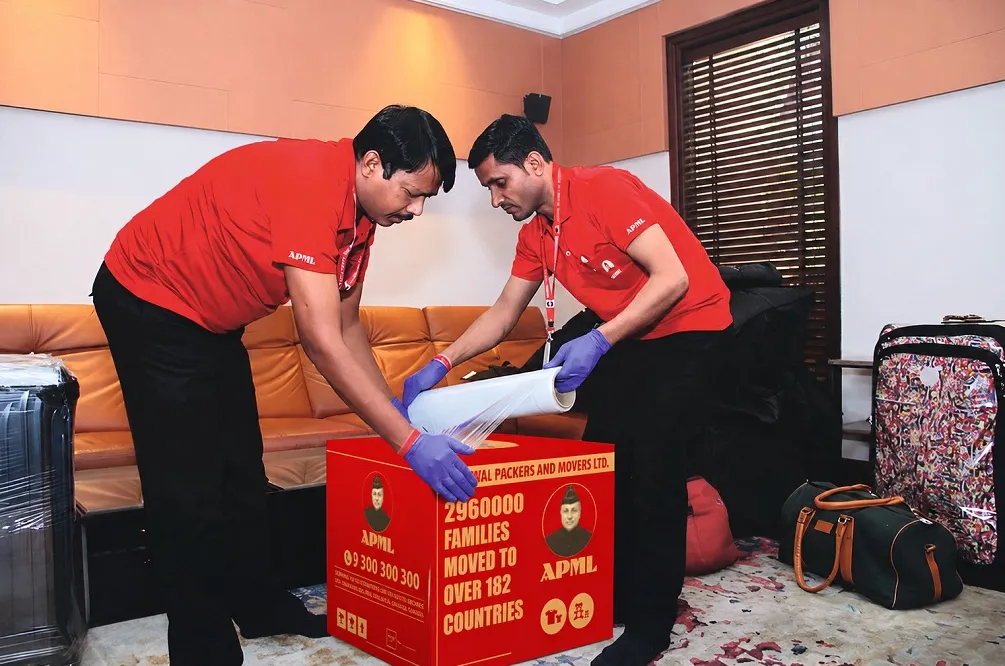
Furniture and appliances are among the most substantial items in a household move. Beds, wardrobes, sofas, refrigerators, washing machines and televisions can be heavy, awkward to carry or sensitive to impacts. Careful preparation and suitable packing reduce avoidable risks during loading, transport and unloading. The handling plan should reflect the size, construction and condition of each item.
Create a Condition Record
List major furniture and appliances and note existing marks or damage. Photographs can provide a useful reference for valuable items before packing. Include glass tabletops, mirrors, cabinets, televisions and equipment with detachable components. Tell the moving company about unusually heavy or delicate items before the estimate is finalised so that the required handling can be discussed.
Prepare Furniture
Remove loose objects from drawers and shelves unless the moving team has explicitly approved another arrangement. If furniture can be dismantled safely, keep screws and fittings in labelled bags. Protect exposed corners and surfaces with suitable wrapping and cushioning. Mattresses and upholstered items may need covers to protect them from dirt. Do not force apart complicated or antique pieces without appropriate knowledge.
Prepare Appliances According to Instructions
Appliances may require different preparation depending on the model. Follow the manufacturer’s instructions for emptying and preparing refrigerators, washing machines and other equipment. Secure or separately pack removable shelves and accessories where appropriate. Disconnect cables carefully and keep remotes and accessories together in labelled bags. Do not attempt electrical repairs or complex dismantling without suitable expertise.
Choose Suitable Packing
The packing method should match the item. Protective covers can help reduce surface abrasion, while cushioning and strong cartons can protect smaller accessories. Glass tabletops, mirrors and televisions may need specialised protection. Ask how fragile objects will be positioned and secured during transportation, especially if the journey is long. Do not assume that one type of wrapping is suitable for every item.
Discuss Handling With Movers
If you are considering Agarwal Packers and Movers Hyderabad, explain the furniture and appliances that require special care and ask what packing services are included. Confirm whether dismantling, reassembly and protective materials are part of the quote. While comparing Packers and Movers Hyderabad, review the handling plan and documentation alongside price. Ask about available transit insurance and read the coverage conditions and exclusions.
Loading and Transport
Furniture and appliances should be positioned to limit unnecessary movement. Heavy items require suitable lifting methods and secure placement, while fragile objects should not be left where other goods could crush them. Tell the team about delicate finishes, loose joints or existing damage. Explain narrow access routes and restricted parking before moving day, because these conditions can affect handling and labour requirements.
Inspect at Delivery
Check furniture surfaces, corners, legs, drawers, glass panels and fittings when items arrive. Inspect appliance exteriors and compare important pieces with your condition record. If you identify a problem, document it and notify the provider promptly under the stated procedure. Before reconnecting equipment, ensure it has been prepared and installed according to the manufacturer’s guidance.
Conclusion
Protecting furniture and appliances requires an inventory, correct preparation, suitable packing and careful inspection. Communicate unusual handling needs early and confirm the quoted service scope in writing. These steps can help reduce uncertainty and make the relocation process more organised.
Use a Room-by-Room Inspection
Before packing begins, take a short walk through the home and identify fragile, heavy or unusually shaped items. Photograph valuable belongings and note any existing marks so you have a useful condition record. Make sure drawers and cabinets are empty unless another arrangement has been agreed with the moving team. During loading, keep an eye on the inventory without standing in the crew’s carrying path. At the destination, inspect the same items in a similar order. Check glass edges, furniture corners, appliance panels and detachable components. If there is visible damage, document it and contact the provider promptly instead of waiting until all packing material has been removed. Follow the written terms for any claim or complaint. This inspection routine provides a practical way to keep track of important items throughout the move.
A final practical step is to keep communication simple. Save the coordinator’s phone number, confirm the arrival window and tell the provider promptly if the inventory or access arrangements change. Keep children and pets away from active loading areas, and make sure the destination contact can answer calls during delivery. These small checks help everyone work from the same information and make it easier to resolve questions while the move is underway.